Mighty Hok Chronicles | Summer 2024
A report on life featuring recent news, reflections, and other odds and ends
A report on life featuring recent news, reflections, and other odds and ends
I recently moved to Tokyo and it has been a big adjustment. This is the journey of how it happened and what the first few weeks have been like.
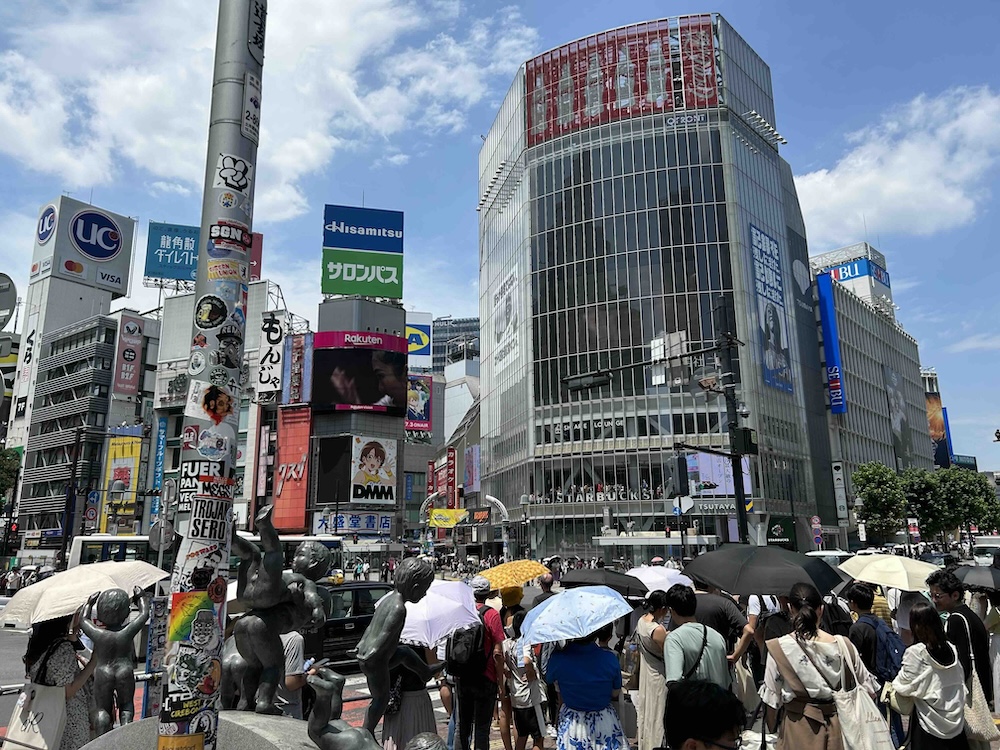
It usually takes me a long time to process thoughts internally before making major life decisions. By the time I share things out loud, it can seem abrupt (even to myself). In this case, I've had thoughts about working and living abroad in the back of my mind for a while, an urging to push beyond my comforts, but I've never had a strong pull towards one specific place or practical reason to move. Japan came up as a far-fetched idea during a conversation with Renato over the holidays. It was mostly pushed aside due to the language barrier, cultural differences, and other reasons.
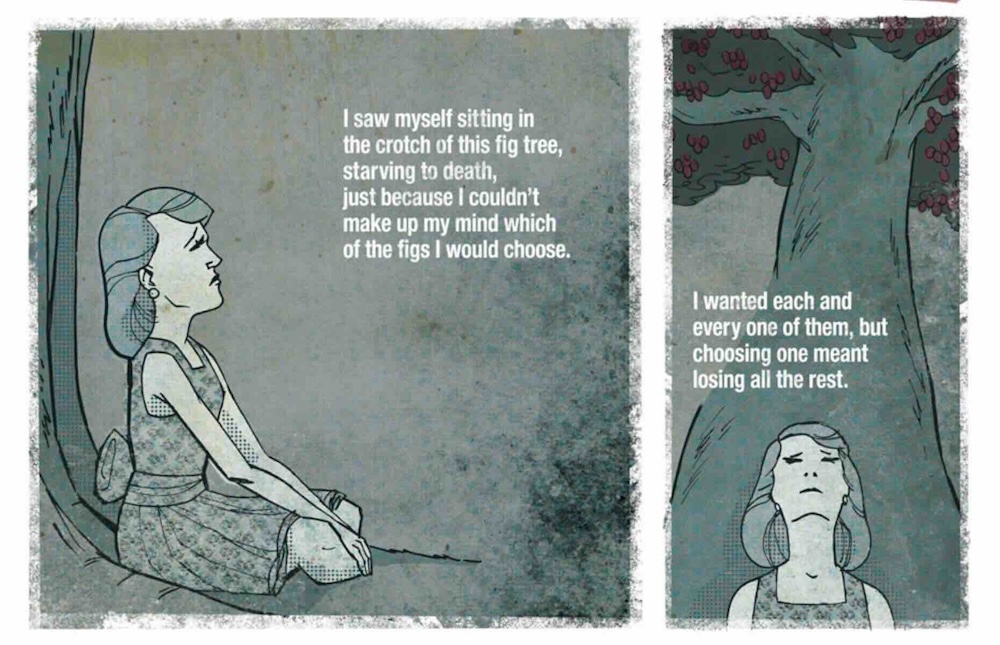
We talked about this fig tree comic (sketch by Gavin Aung Than) based on Sylvia Plath’s metaphor of a fig tree symbolizing indecision and the paralysis of choice. My internal translation of it at the time was to take action, so I applied for a few jobs in Japan based on that far-fetched idea.
As life would have it, I ended up going through an interview process with a company called Mujin, an industrial robotics company based in Tokyo. I didn't put too much pressure on myself, but it piqued my interest. It wasn't until I got a verbal offer that it dawned on me that an opportunity was really on the table and a decision needed to be made. It was a struggle because of all the trade-offs...uprooting, potential regret and worry, lower salary, etc. In the end though, Renato and I decided to give Japan a try.
The visa process involved a few steps. The first step was for the company to apply for a Certificate of Eligibility (COE) on my behalf. This took 5 weeks. Once I received the COE, I went to the Japanese consulate in Toronto to apply for the actual landing visa. The scheduling process was a bit annoying (you could only make appointments by calling one number), but the appointment was quite fast and after some paper processing they told me I could pick up the visa in 6 business days. This was a big relief because I had already booked my flight and it was set to depart just a few days after getting the visa.
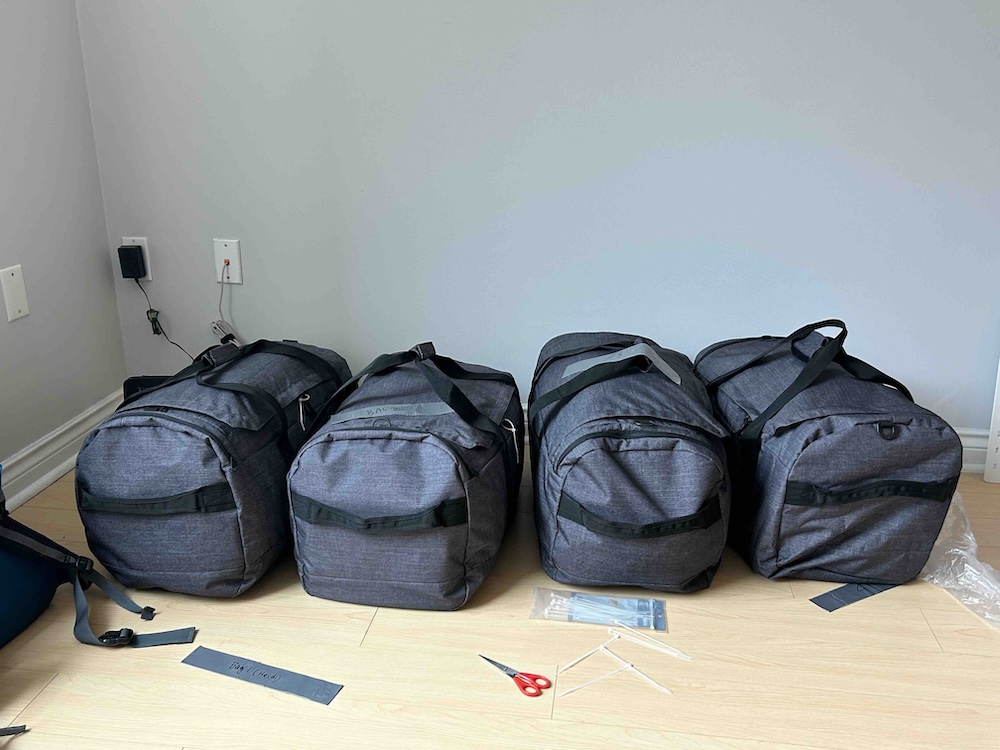
April was a flurry because I only had 1.5 months to prepare for the move while still working. I didn't know at the time if the COE would come through but had to prepare to move anyway. Renato and I wanted to sell as much of our furniture as possible before leaving on a month-long (pre-planned) trip to Asia. Renato took the lead on Kijiji (a buy/sell platform) and we managed to sell most of our larger items. We decided that we'd rent out the condo and store some things in the locker. We whittled down what we'd actually ship overseas to 4 duffle bags.
Meanwhile, we were still processing the decision. One of the biggest surprises and challenges was that Renato wouldn't be able to move at the same time as me because I had to apply for his visa from Japan. Having that additional fragmentation meant we'd both have to navigate things alone. It was also emotionally difficult to resign from my job and say goodbye to friends and family in Toronto. I felt the kindness and support all around which helped calm my nerves.
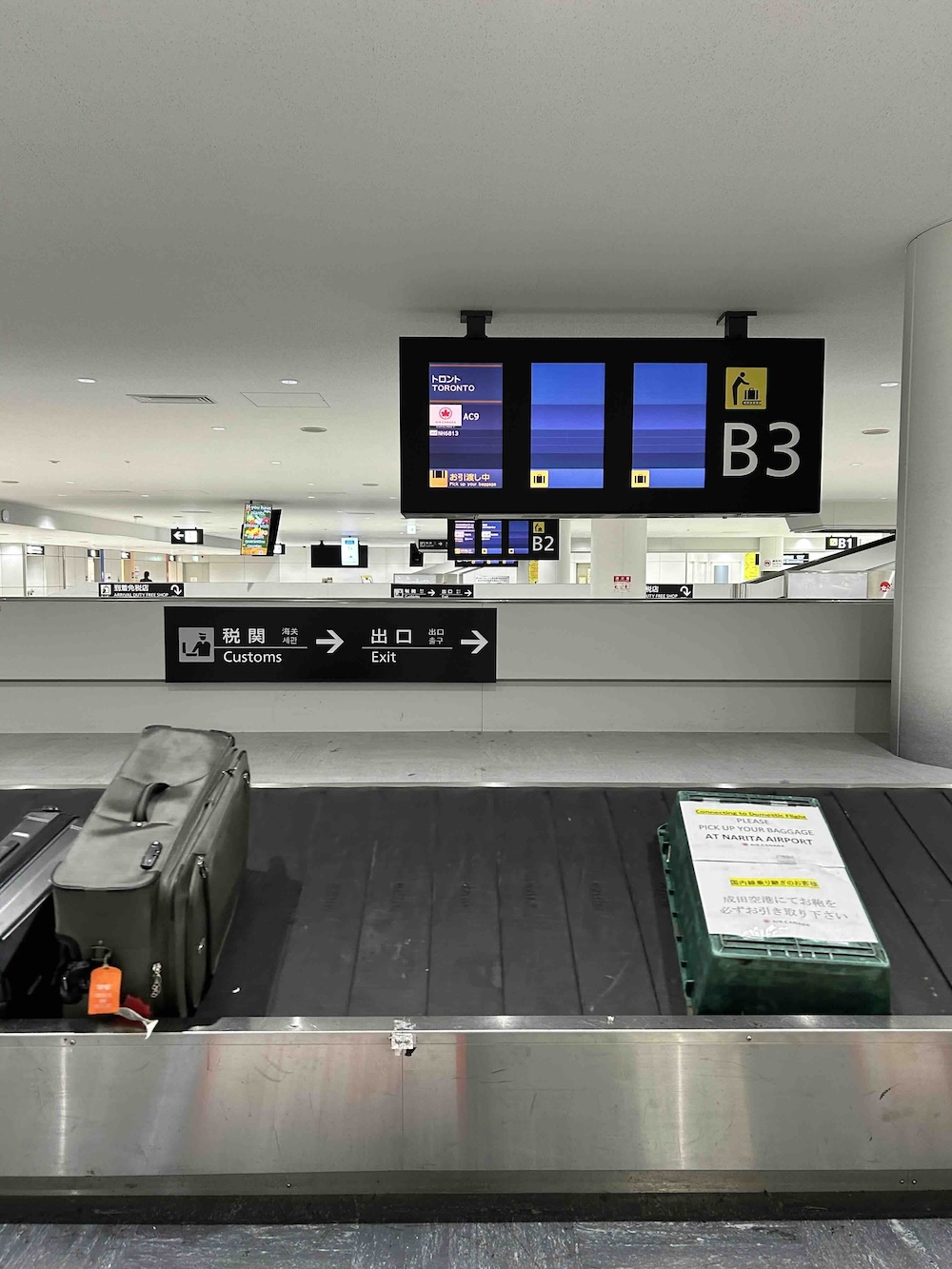
I left for Tokyo on June 25, 2024 on a 13-hour direct flight. I sat next to a man whose three young children and spouse were seated on the other side of the aisle. He said they were visiting Tokyo because of the favourable exchange rate given how low the Japanese yen has dropped. I said that I was moving to Japan and would be earning yen, so not so good for me! Anyhow, it was a pleasant flight overall (I got an upgrade). I arrived around 4:30pm local time and made my way to immigration feeling tired and disoriented. There was a customs form I filled out on the plane but was handed a different form for immigration (that I probably should have done online). The immigration process was a bit awkward. I felt bad because the people waiting in line behind me were tourists wanting to leave the airport quickly and my visa situation took a while because the agent had to go through my visa paperwork and print out a resident card for me. The agent didn't seem to rush despite my extra processing time. When I finally got my card, it felt a bit surreal. I eventually found my baggage and rushed out to pick up a mobile sim card before the airport shop closed.
I arrived at my temporary housing around 8:30pm and fumbled trying to get the keys from the lock box. I was glad to have arrived. Foolishly, I didn't realize I had to turn on the hot water so my first shower was cold. It wasn’t until the next day that I started to translate all gadgets and appliances from Japanese to English. I realized I needed to push a button outside to turn on “hot water operation”.
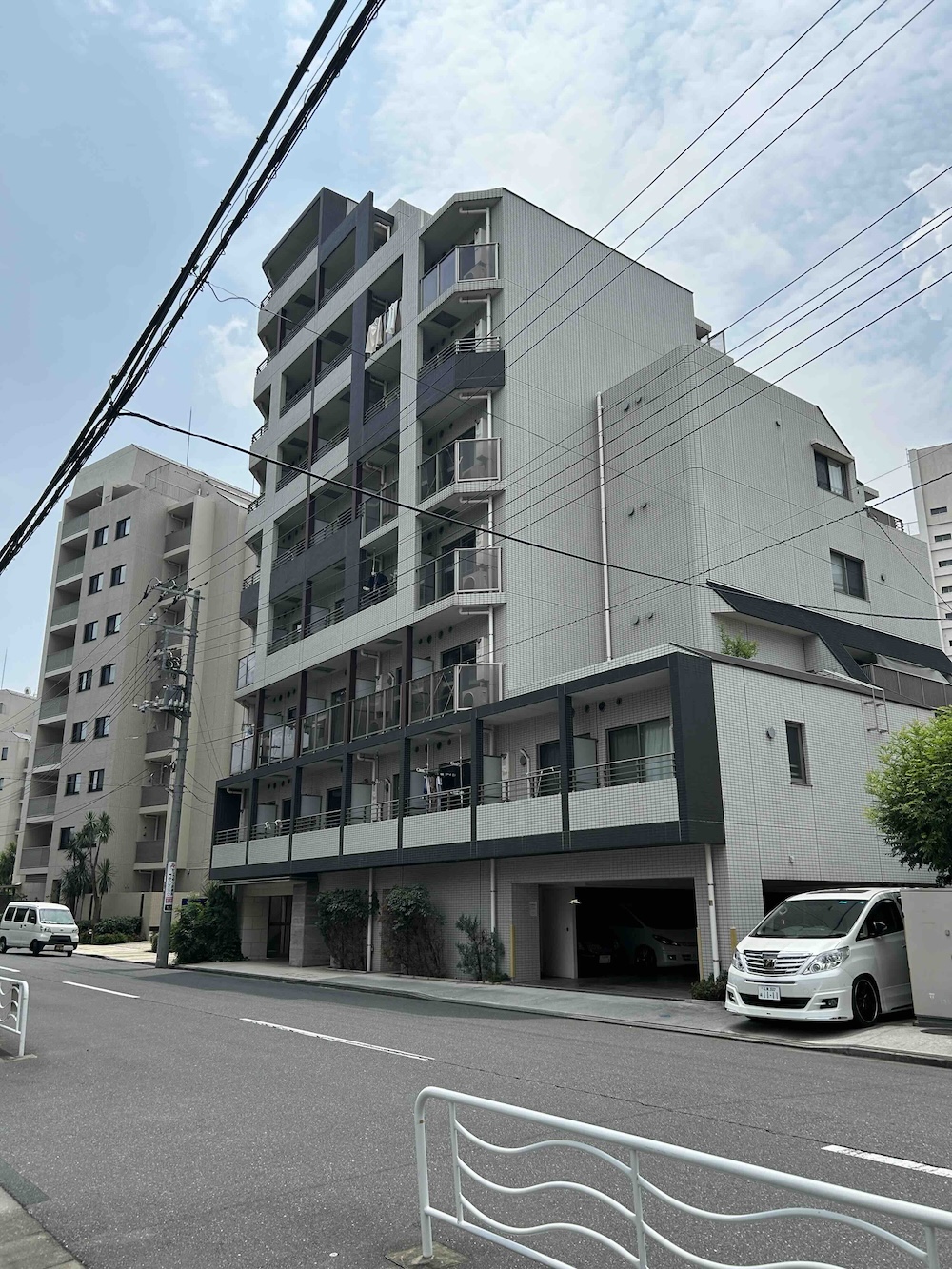
This is the building from the outside. The unit itself is considered “western style” because there is a mattress instead of a futon. Here is a link to the rental posting. It's actually very expensive for the size but it was the best option my company could arrange for a place close to work. The place is small but has all the basics, including a washing machine. What wasn't included was a cup or any basic cookware so the first few days were task oriented to get items like cutlery, cookware, soap, detergent, etc...
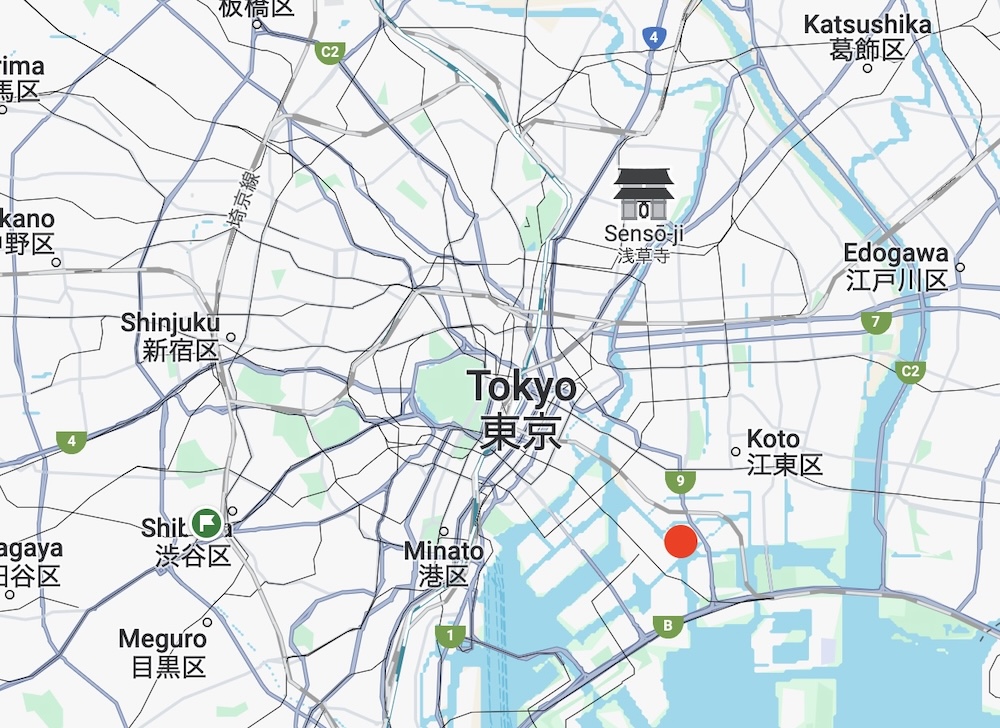
Tokyo is a prefecture in the Kantō region of Japan. Within Tokyo, I'm living in Kōtō-ku or Koto City which is a special ward by Tokyo Bay. Most of the land where I am is reclaimed. I'm about 15-mins walk from 3 train stations: Toyosu, Kiba, and Etchūjima. The image below shows where I am on a map. You can see that I'm a bit far from the tourist areas like Shinjuku. Minato is another very foreigner-friendly place. It's quite accessible by train though. I am close to the teamLab Planets interactive digital art museum which is a pretty popular destination.
The neighbourhood is a mix of residential and industrial with a lot of factories nearby. There are still supermarkets and people everywhere though. It's just quieter and less crowded than some of the more popular areas for foreigners. I felt disoriented during the first weeks and got on the wrong bus twice.
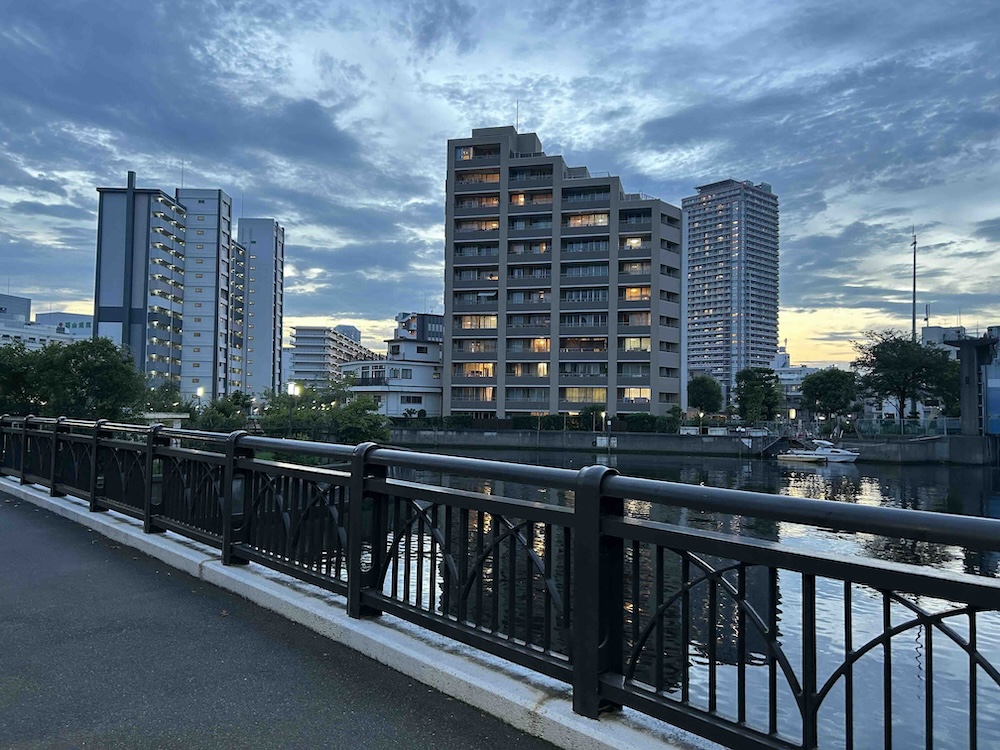
After a while, I started to look around more and take note of the scenic spots like canals hidden beyond the more busy roads. The image below is near Kiba park.
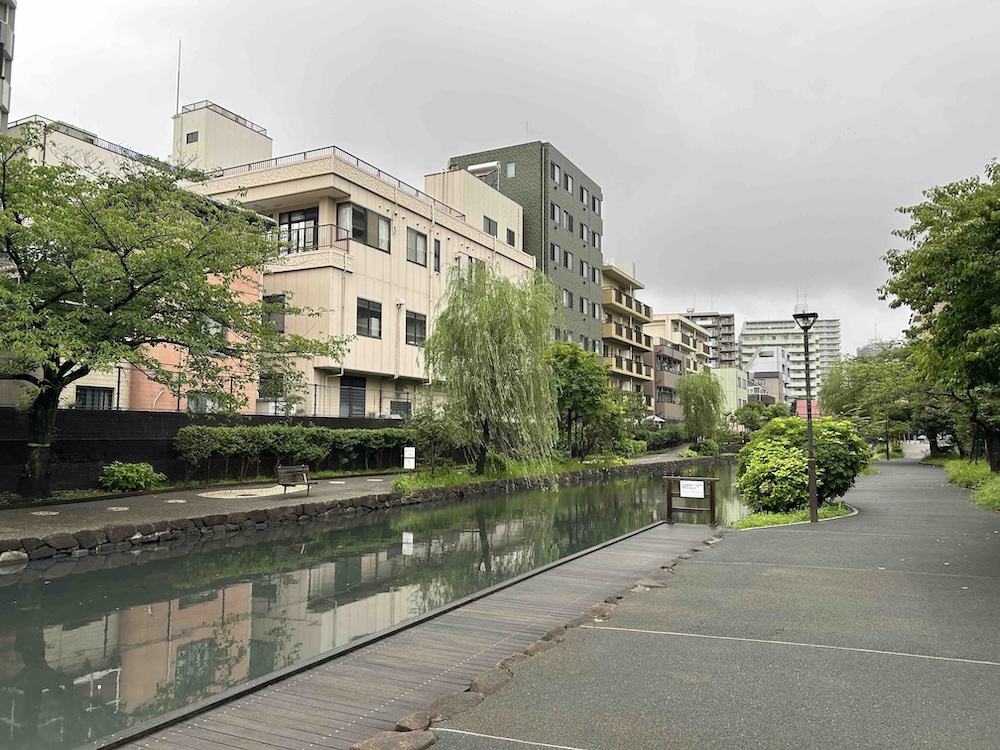
One of the more intense experiences so far has been the hot and humid weather. I moved during the summer and it has been hard to feel motivated being outside. I'm not used to getting drenched in sweat every time I go out. This has made running feel really challenging. I admire all the runners I see out there in the middle of the afternoon. I guess that you can get used to it but I'm just not there yet so it feels suffocating.
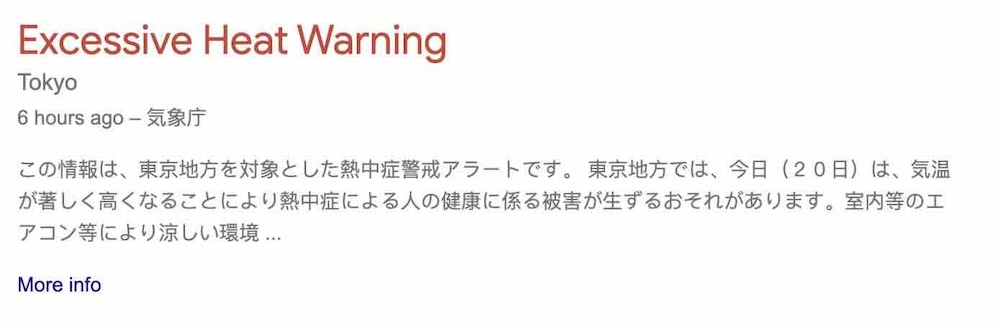
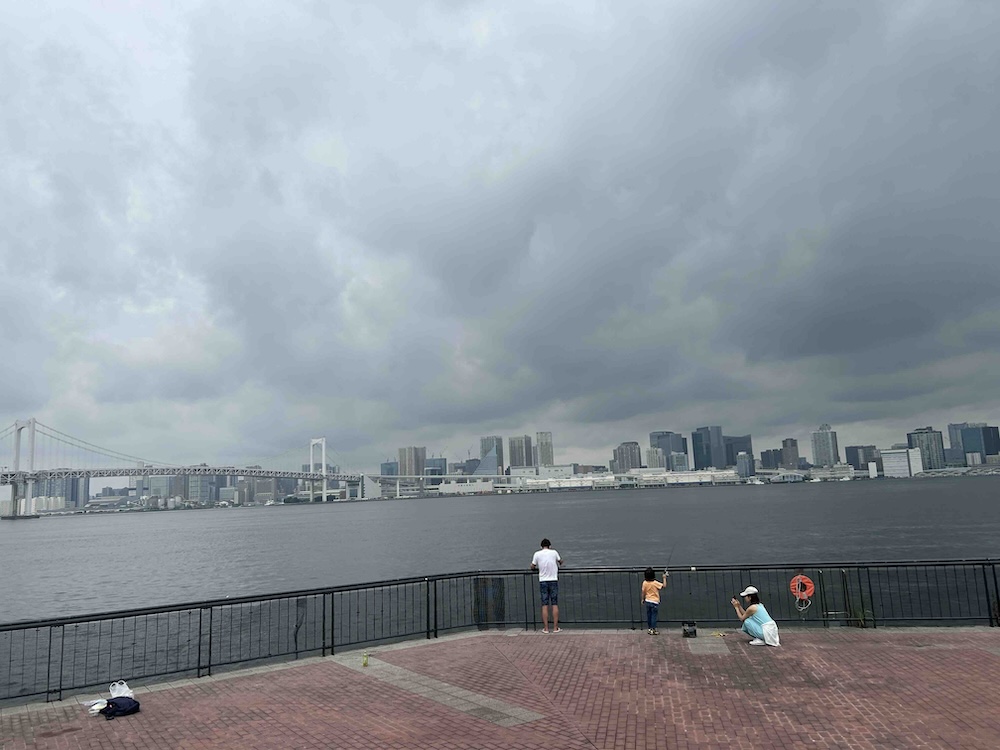
At the same time, it's also rainy season so it's not uncommon for it to suddenly thunderstorm. I've been caught a few times in heavy rain. Lucikly, I've always carried an umbrella with me. The image below is part of my usual running route with a view of Rainbow Bridge.
One of the stressful aspects so far has been navigating government processes. There's a lot of paperwork that is hard for foreigners to understand. Things are very organized—in a very particular way. Thankfully my work guided me through the basics.
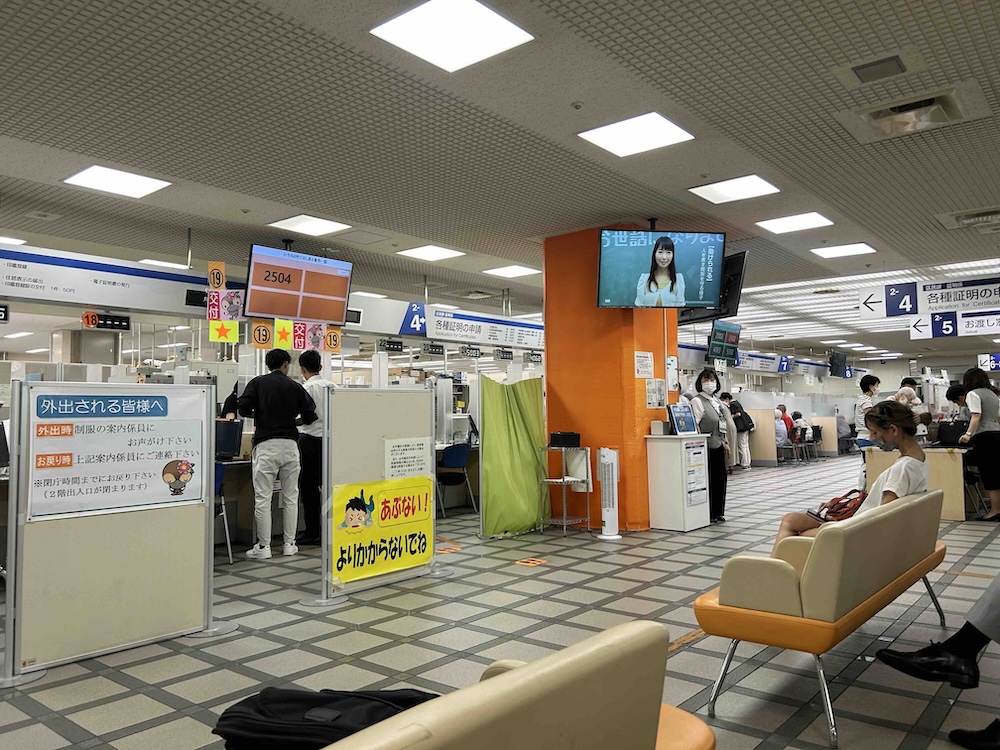
I had to visit the koto-ku ward office to register my address as soon as I arrived. You cannot register a hotel so that's why it was important for me to find a temporary place to live. Here I filled in some forms with the help of a lady who spoke English. I waited at two different counters to get a resident code and “MyNumber” (similar to a social security number) in order to start work. From there I needed to register my address with the Post Office so that I could receive the confirmation mail needed to apply for an actual MyNumber card. Even though the card isn't required, without it you cannot do a lot of subsequent government related processes online.
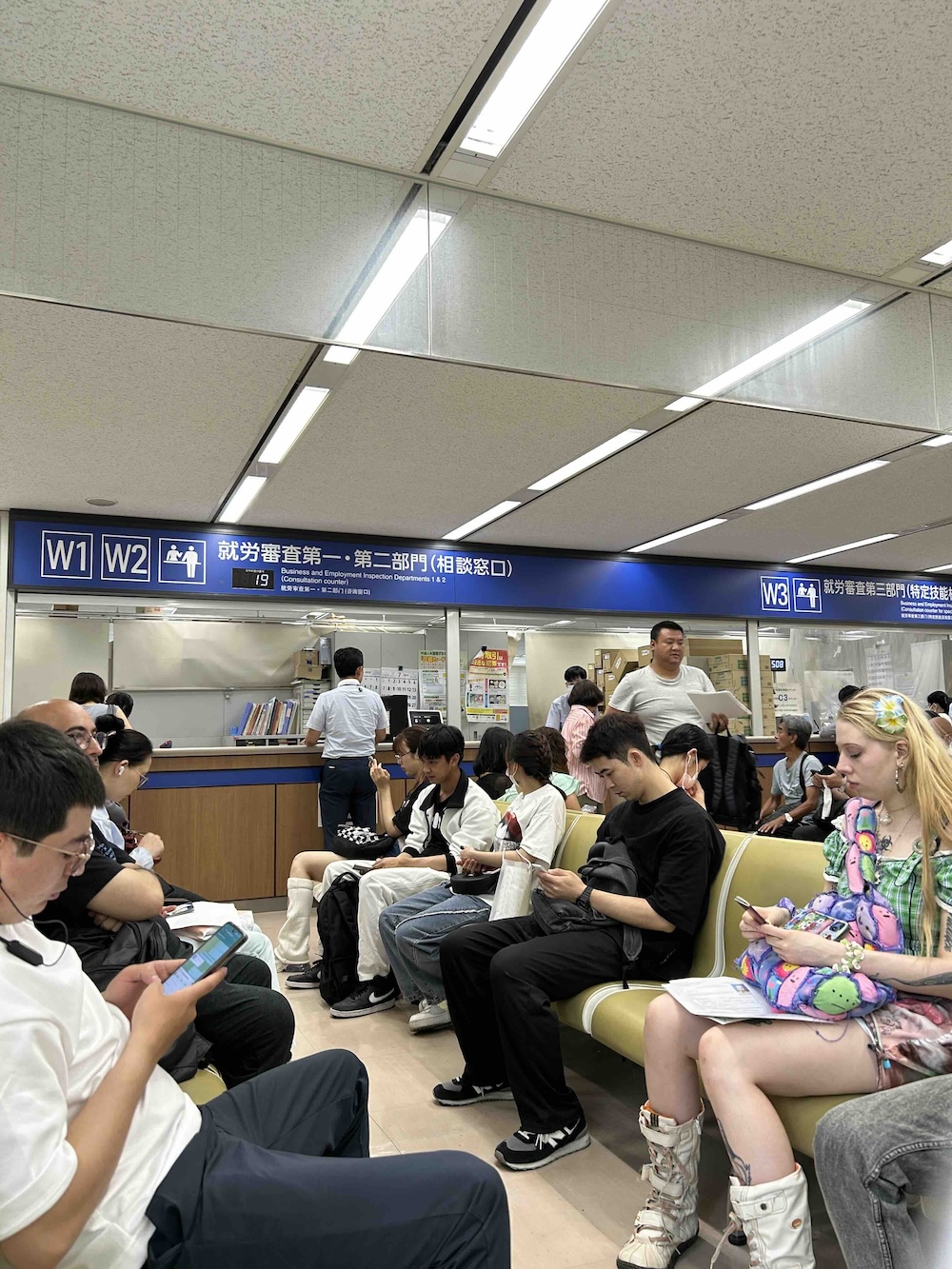
Another procecss I had to prepare for was a visit to the Tokyo Immigration Bureau to apply for Renato's visa (I could have applied online if I had the MyNumber card). It took me a few weeks just to prepare all the paperwork (employment letter, etc.). I dreaded this experience but knew it was unavoidable. My experience was pretty confusing. The Certificate of Eligibility counter was on floor 1, but the counter for specialized visas was on floor 2. Given that I am on a highly specialized work visa applying for a dependent/family COE, both sides were sending me back and forth (meaning I had to wait several times over). Eventually, the COE counter employee personally walked me up to the second floor to explain to the other counter that I should be processed there.
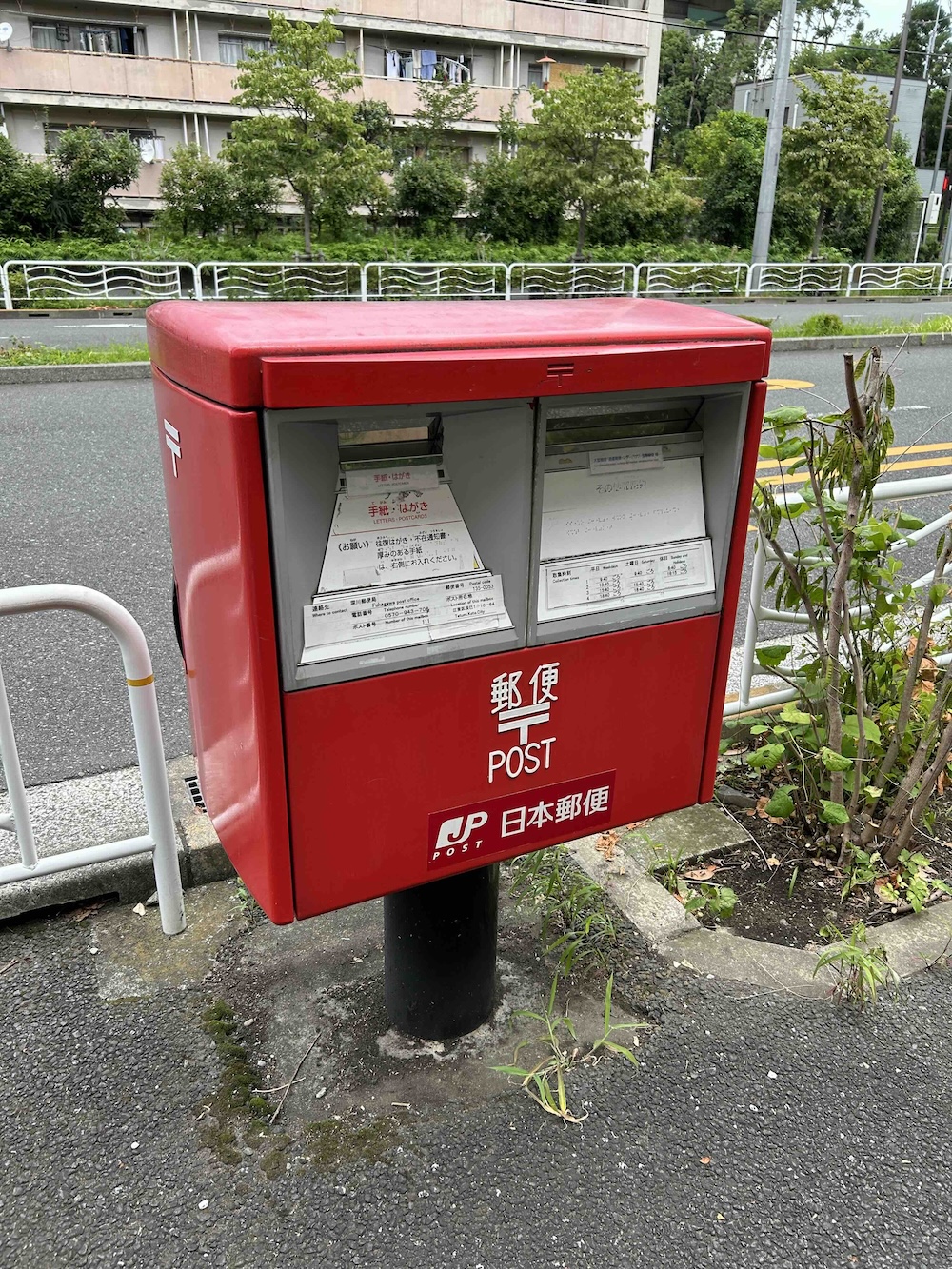
Another process was receiving the baggage shipment from Canada. We used a company called Send My Bag and the actual delivery was done through DHL. When I first arrived at the airport, I had checked off the "Unclaimed Baggage" checkbox on the form and received a customs document with a stamp. Once the bags were physically in Tokyo, I was contacted by a DHL employee asking me to send me the original copy of the customs form along with copies of my residence card and e-ticket in order to pass customs. I'd be charged a holding fee if I didn't get the form to them in 2 days. I shared the information via email but was told it had to be mailed directly. I had no idea how to even send local mail in Japan. The next day, I scanned and printed everything I needed at work and excused myself to rush to the Post Office in the morning. It wasn't as bad as I thought because they just weighed my mail and charged me for the stamp.
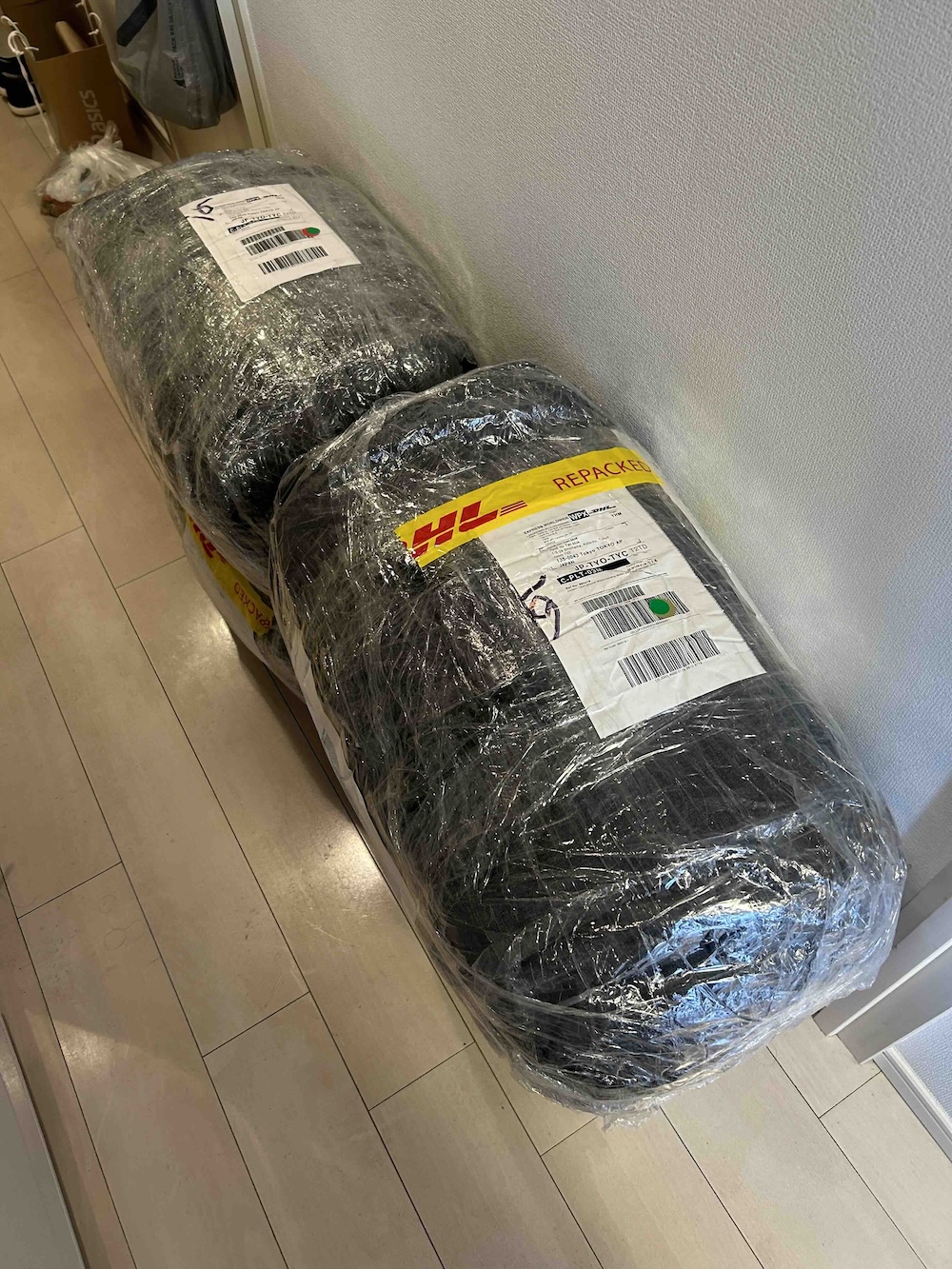
After sending the post, I received another email from DHL that read "Please provide complete copy of commercial invoice, attachment complete, or return/dispose instructions for this". I was so confused because this was a personal baggage and not for commercial sale. After some more emailing and calling, I finally got confirmation that the letter had been received and the bags were going to be cleared and delievered. They made it in great shape, still wrapped in plastic like burritos.
My first day was interesting and overwhelming. There were ten people starting on the same day. The majority were speaking Japanese. It started with a tour of the factory, split across two floors. We were on the 5th floor with the open cafeteria, showrooms, and offices. I would be working on the 4th floor with the various development teams. In one of the more traditional office areas, I didn't realize I was supposed to take off my shoes. After the tour, we did security fingerprints and got badges for entering the building. We also set up laptops. I was the only person who got a Mac.
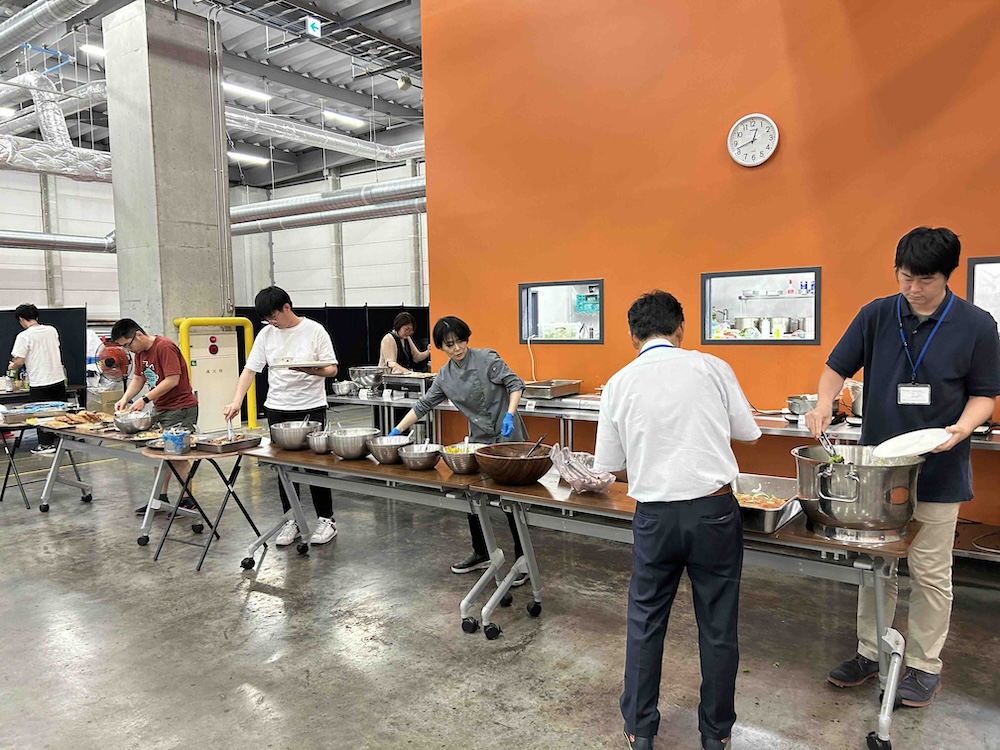
During lunch, we joined the rest of the company in the cafeteria. Everyone got their lunch, a company benefit. I sat at a table with the front end systems team. I also had to do a short presentation introducing myself to the whole company. It was nice to meet some of the actual people on my team but I also felt misled/confused that the manager who had hired me had left the company.
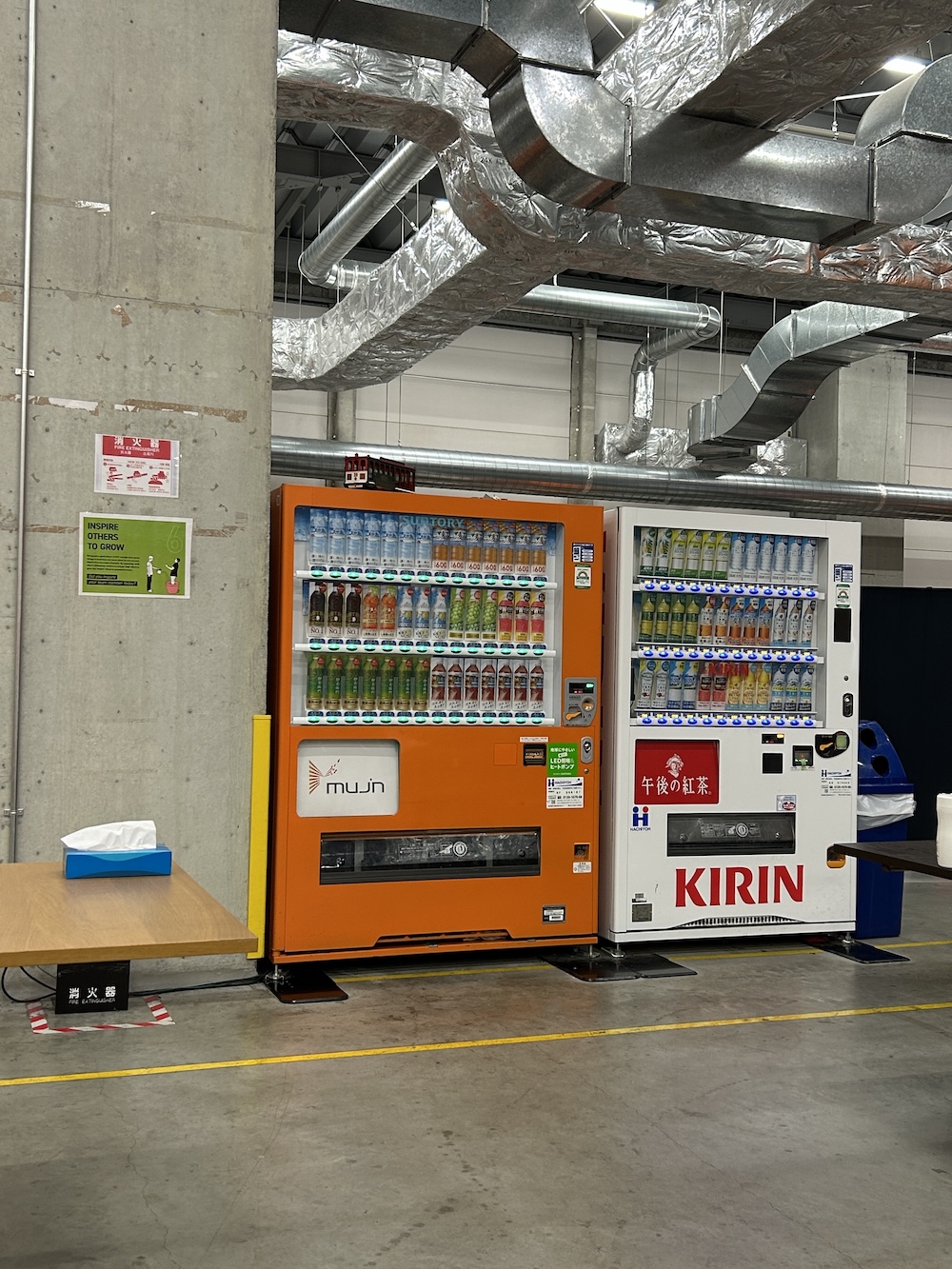
After lunch, we had compliance and safety training. They basically told us not to share any company information. We watched a safety video and were told to take a multiple choice test. I felt weirdly nervous because they waited for us to finish on the spot. Then I felt embarrassed for failing the test.
The final HR presentation was long but outlined some important things like how to input your days off. I was happy to learn that since the technology group consisted of mostly foreigners, I didn't have to take the national holidays on the actual set days. I could treat them like vacation days instead. Towards the end of the day, I was finally brought to my desk. I installed Figma and briefly learned more about the current web UI. It was helpful to do something more relevant to my role but I was feeling tired. I had just arrived in Japan a few days prior. It was a lot to take in.
As I settle in, I'm able to start appreciating more things around me. I like the supermarkets and variety of things you can buy everywhere.
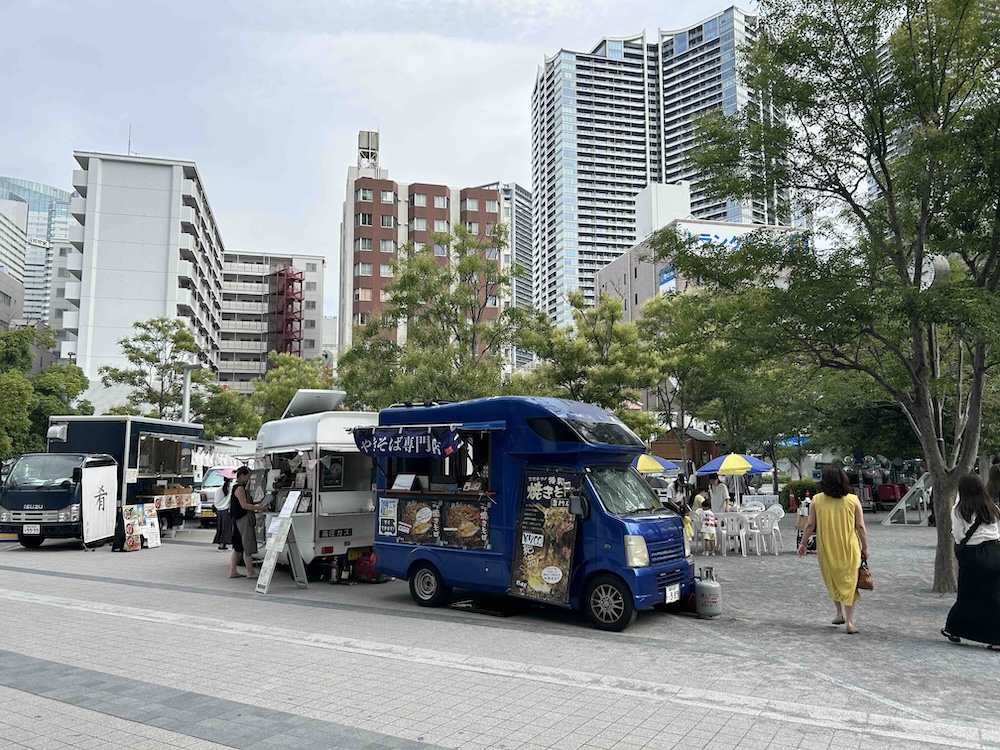
Things are very cute and compact compared to North America like these small sized food trucks.
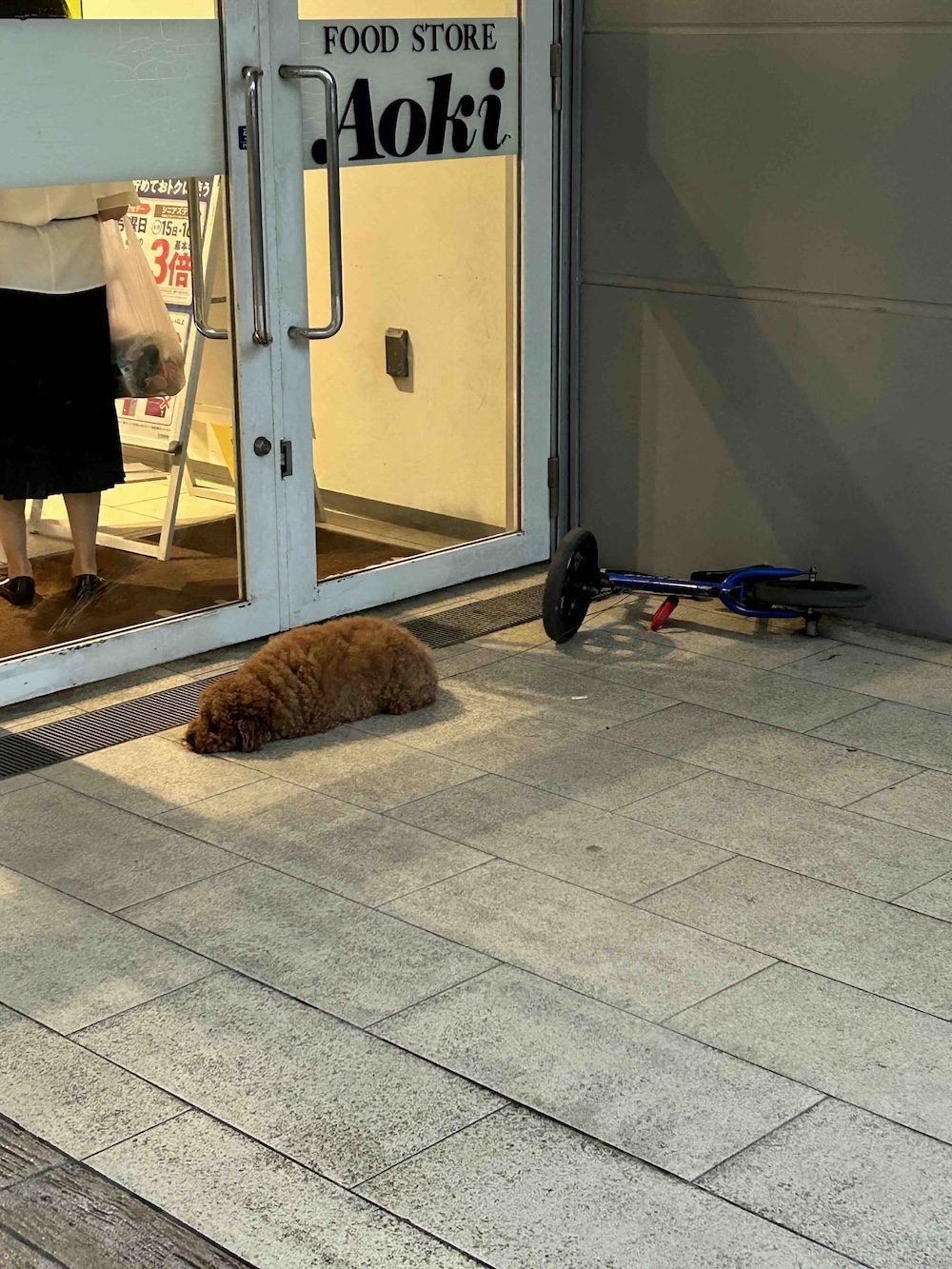
I see a lot of bikes and small dogs around. This one looked so sad, perhaps it was too hot outside.
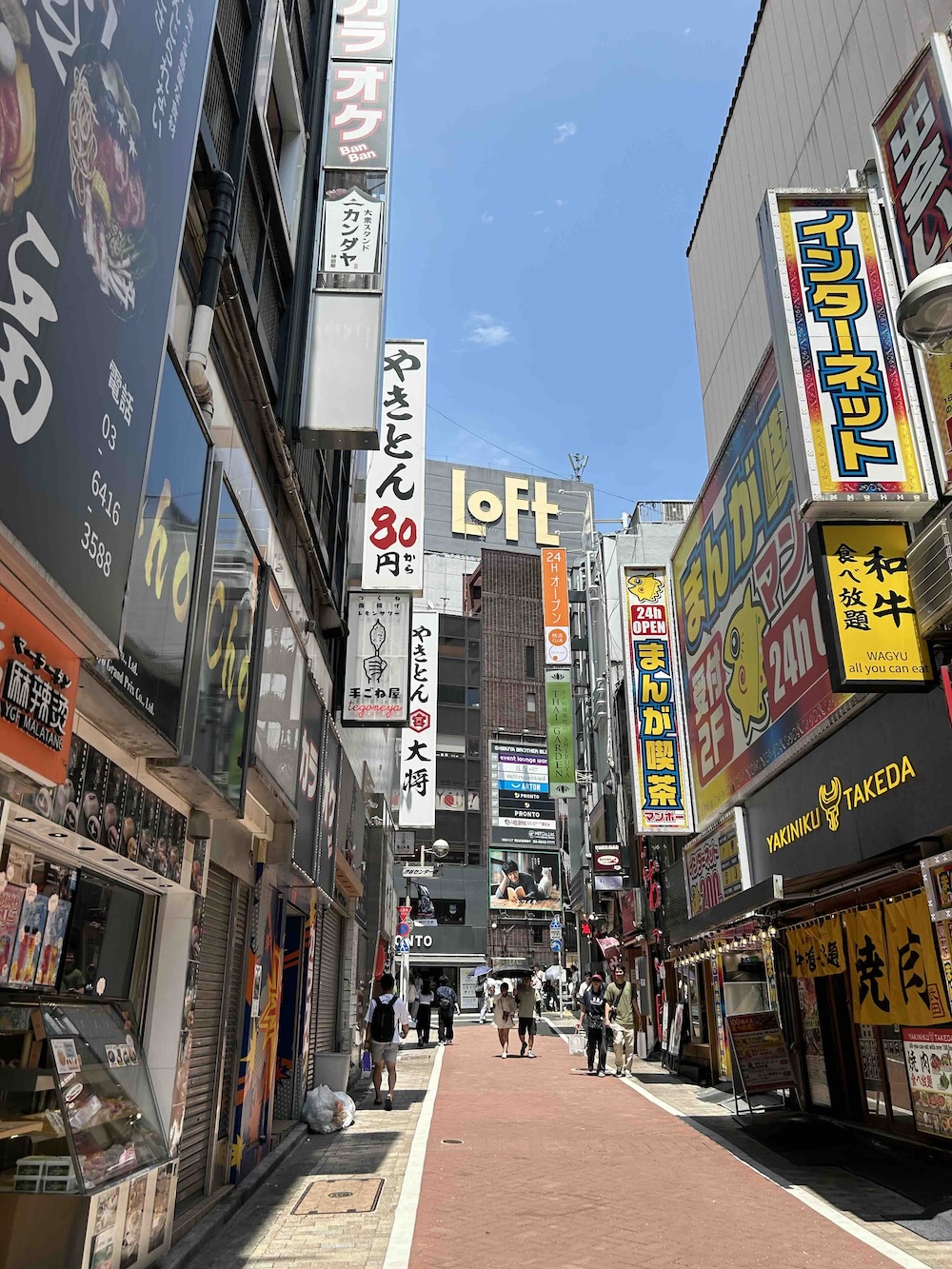
Of course there are the busy areas too like Shibuya where the famous busy crossing is located. I got lost walking around inside and outside the train station!
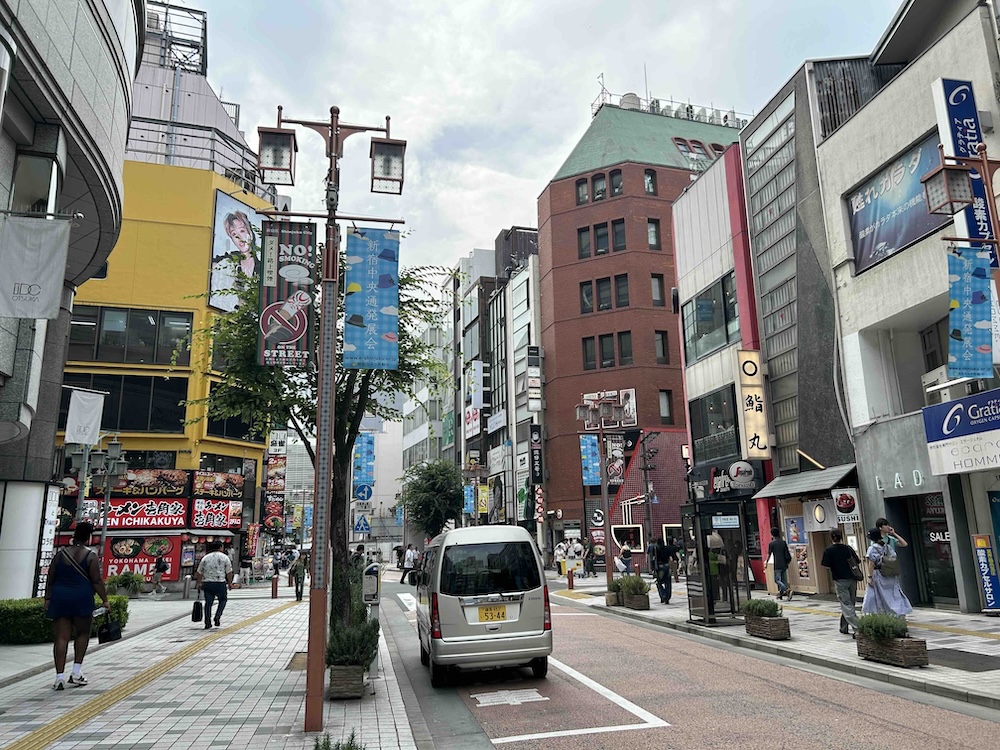
Shinjuku has one of the major railway stations. There is so much around here but my purpose for coming here was to get a hanko stamp at a vending machine in Don Quijote (a Japanese discount store chain). A hanko is a carved stamp that is required for legally authenticating documents. I needed one in order to open a bank account. I could have ordered it online or gone to a hanko store, but I wanted to give the vending machine a try.
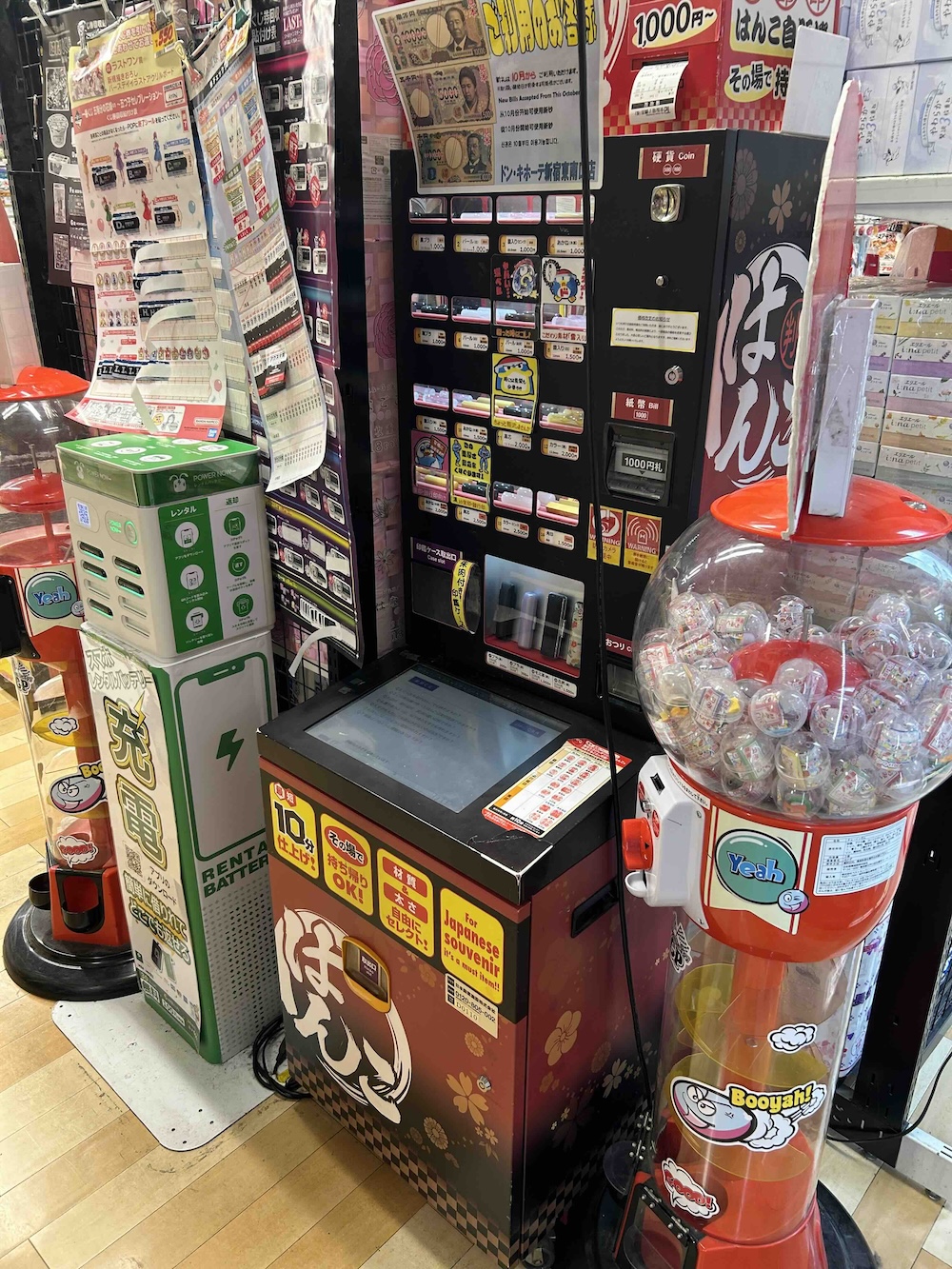
This is what the machine looks like. I probably spent an hour trying to understand how to type my name in Japanese. Even though there was an English translation, the options for characters were more limited so I ended up using the Japanese version. I kept trying to input my translated name ハイディ (haidi) into the machine. But I could not figure out how to do the last character which is a small version of the second character. I ended up making a stamp with my last name instead, ムック (mukku). If you want to translate your name into Japanese katakana, you can use this Japanese Name Converter.
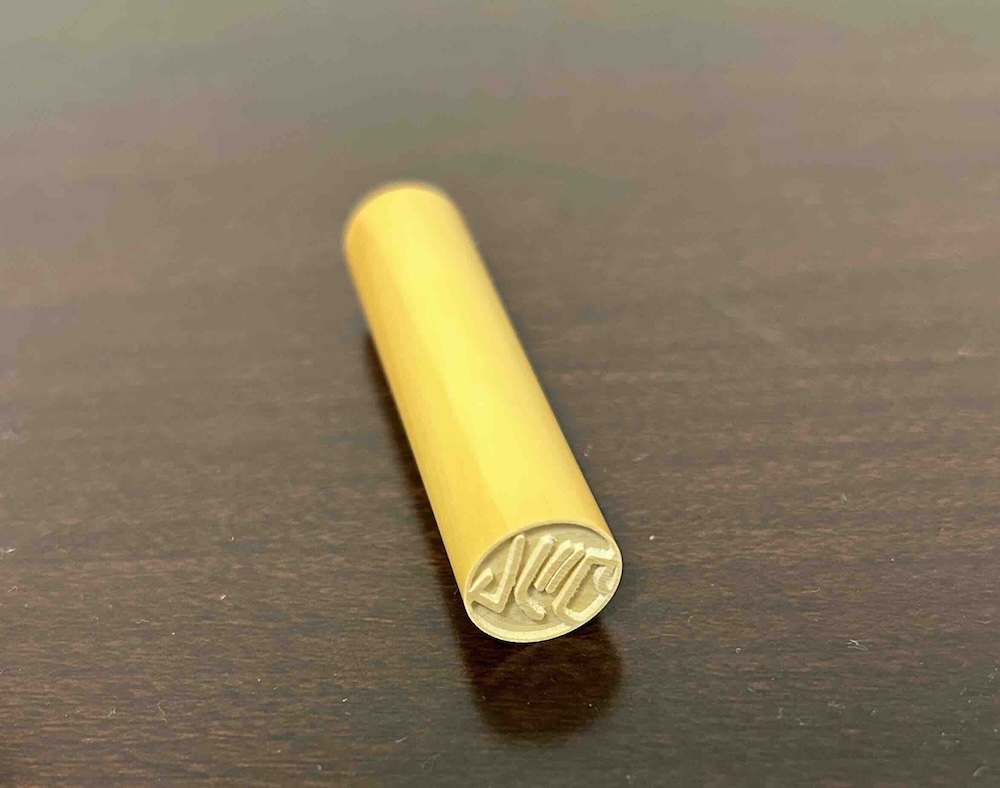
Here is the final hanko stamp. I could have chosen different sizes but the bank size needs to be 12mm – 15mm.
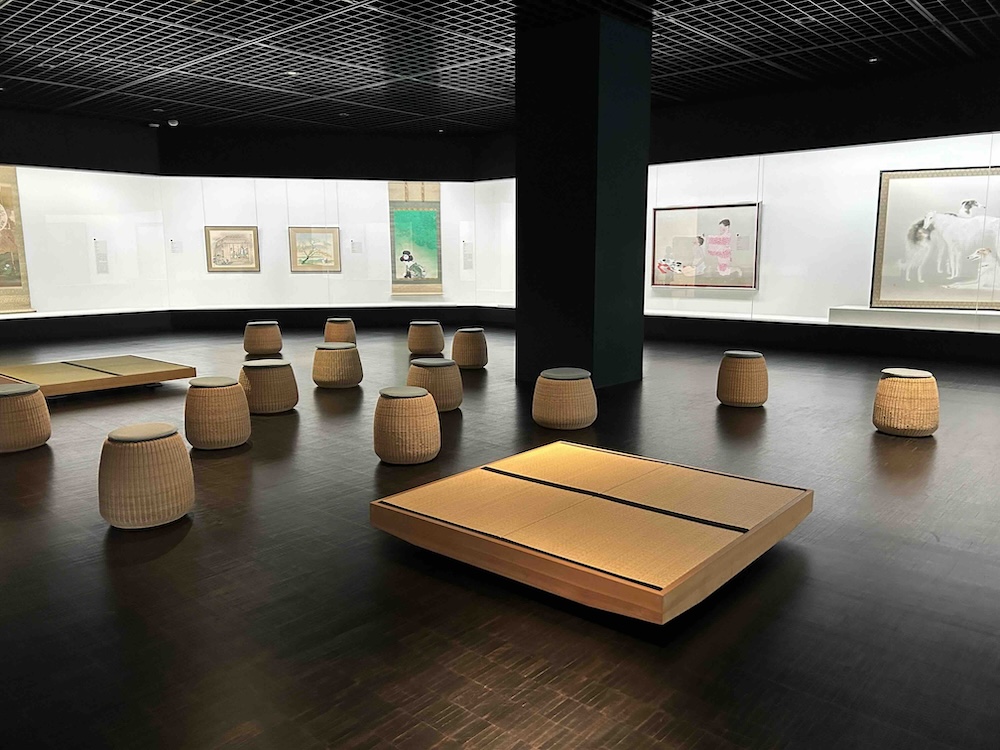
So far I have visited one museum, the National Museum of Modern Art. I liked how there were places to sit and enjoy.
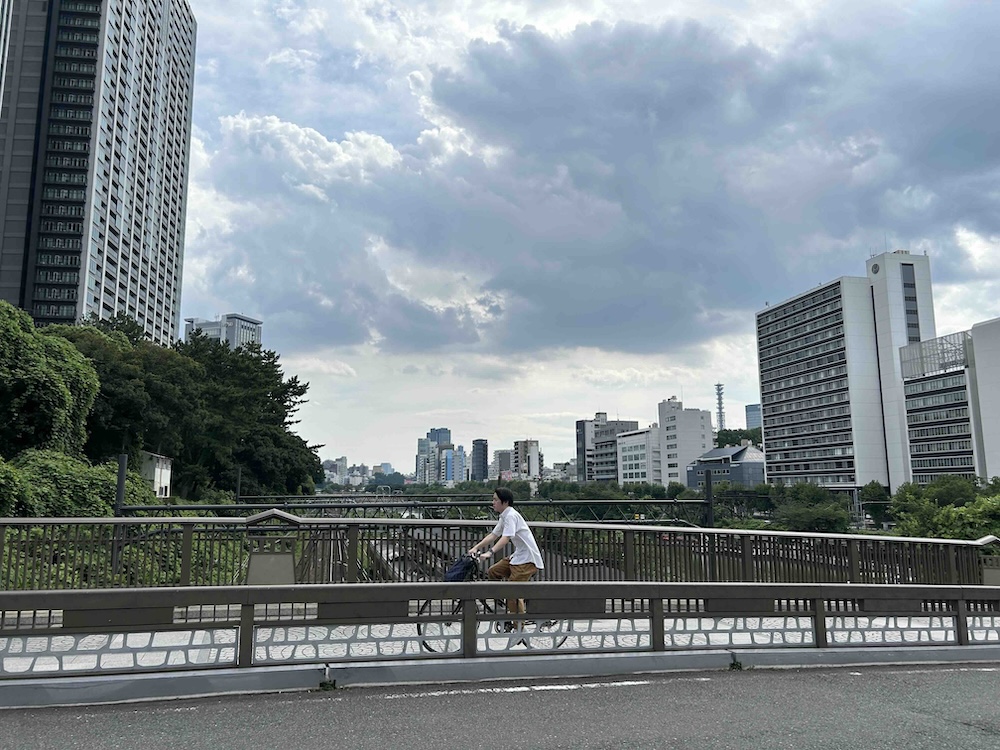
This is the journey for now. I know that a lot of the early adjustments and challenges are to be expected. It's still good to document them because I'll soon forget the details. Perhaps when someone else I know decides to move to Japan I can provide a little more insight on the process!